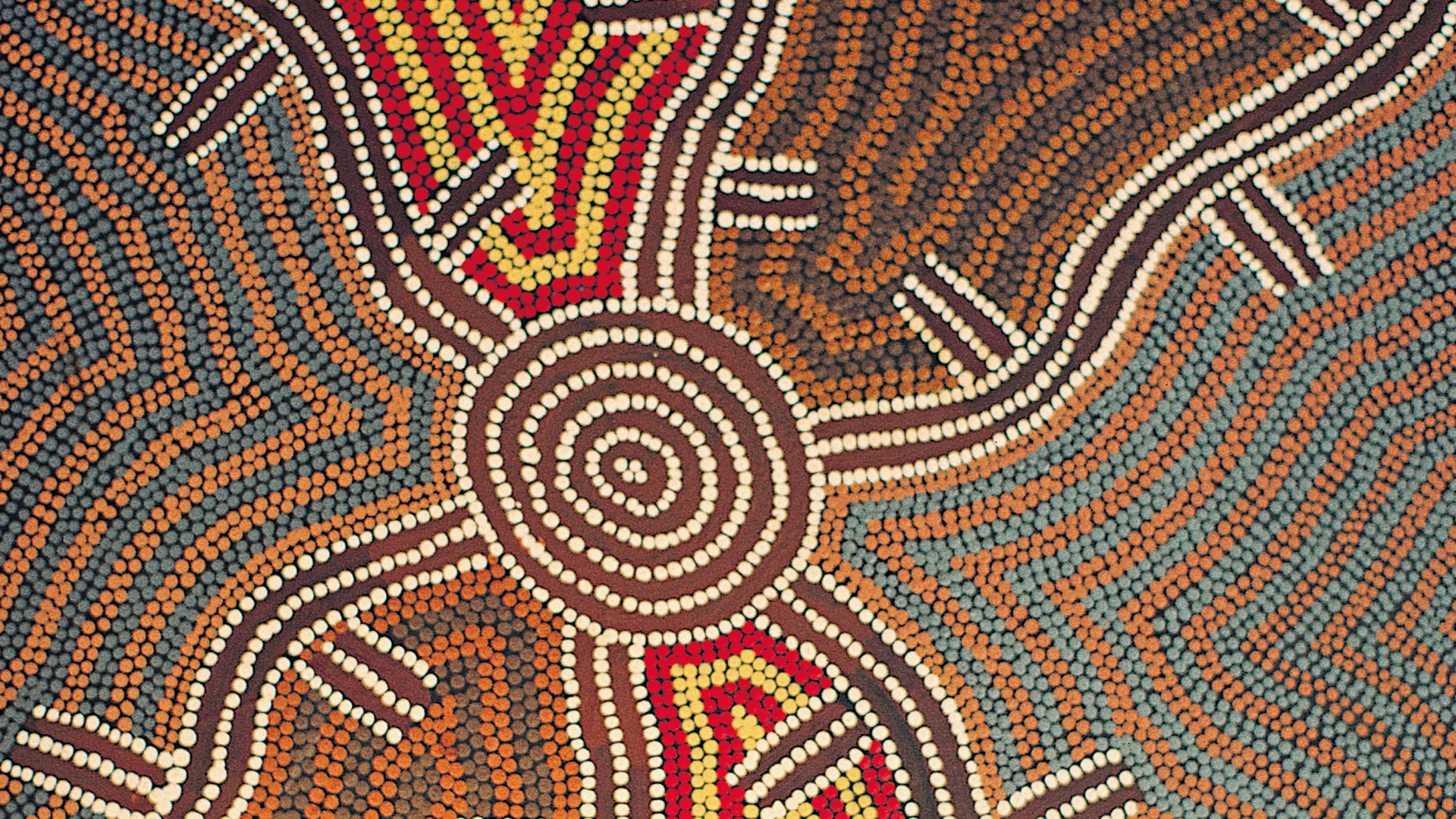
Play is universal — and throughout human history, children have been playing games that teach them about their world, their community, and themselves. During NAIDOC Week at Moranbah Early Learning, we celebrate the extraordinary tradition of Aboriginal and Torres Strait Islander games, played across this continent for thousands of years.
The Significance of Traditional Games
Traditional Aboriginal and Torres Strait Islander games were far more than entertainment. They were purposeful tools for teaching children essential life skills such as hunting, tracking, balance, and coordination. They built community connection, passed on cultural knowledge and values, developed physical strength and spatial awareness, and fostered respect for Country and for each other.
At Moranbah Early Learning, learning about these games gives our children a window into the rich, sophisticated cultures of First Nations peoples — and the games themselves are genuinely engaging and fun for young children today.
Traditional Games We Explore
Marn Grook is widely believed to be one of the earliest forms of football played in Australia. Players kicked and caught a ball made from possum hide — many historians believe Marn Grook influenced the development of Australian Rules Football. We play a simplified catching and kicking version with our children.
Gorri is a throwing and dodging game where children throw a ball at a target while others try to dodge, building throwing accuracy, agility, and quick reflexes.
Buroinjin comes from the Kabi Kabi people of coastal Queensland and involves passing a ball between players without letting it touch the ground — developing coordination, teamwork, and communication. As a Queensland centre, we love that this game connects directly to the Country we are all part of.
We also create simple tracking games where children follow footprint trails, look for hidden objects, or navigate obstacle courses — inspired by the essential tracking skills central to life on Country.
Connecting Culture and Movement
At Moranbah Early Learning, we always pair our physical games with cultural context. Our educators share simple, age-appropriate information about where each game comes from, who played it, and why — teaching children to approach this knowledge with respect and gratitude.
Keywords: Indigenous games children, traditional Aboriginal games, NAIDOC Week activities, Moranbah early learning, First Nations games preschool, physical activity early childhood, cultural education children Queensland, NAIDOC Week 2025
Sources and Further Reading:
– NAIDOC Committee – www.naidoc.org.au
– AIATSIS – www.aiatsis.gov.au
– Reconciliation Australia – www.reconciliation.org.au
– Australian Children’s Education & Care Quality Authority (ACECQA) – www.acecqa.gov.au
– Early Childhood Australia – www.earlychildhoodaustralia.org.au
– Raising Children Network – www.raisingchildren.net.au