
Navigating Room Transitions: How Moranbah Early Learning Supports Your Child’s Growth
Your toddler was settled, waving goodbye with a smile, loving their nursery room—then came the news: it’s time to move to the toddler room. Suddenly, tearful drop-offs and clinginess return, leaving you wondering if the change was too soon. At Moranbah Early Learning, we know room transitions can feel tough, but with familiar faces and steady routines, they become moments of comfort and growth for your child. Let’s see how we support this important step in your child’s early learning journey.
Understanding Room Transitions

Room transitions mark big steps in your child’s growth path. These changes might seem simple to adults, but for little ones, moving to a new room means new spaces, new faces, and new ways of doing things – all at once.
Why Transitions Happen
Room changes happen for good reasons that benefit your child’s development in many ways.
As children grow, they need different types of care and learning opportunities. A baby needs different things than a toddler, and a preschooler needs different challenges than a two-year-old. Moving rooms makes sure your child gets what they need at each stage.
Rules about how many children each teacher can care for also change as children get older. These rules keep your child safe and make sure they get enough attention from their teachers.
Children also learn best when they’re with others their age. Your toddler picks up new skills from watching other toddlers, while preschoolers learn more complex social skills from playing with their peers.
The physical space matters too. Babies need floor space, toddlers need climbing spots, and older children need art tables and building areas. Each room is set up just right for that age group.
Challenges for Young Children
For your child, moving rooms can feel like a big shake-up to their sense of safety and comfort.
Young children form strong bonds with their teachers. When they move rooms, they might feel like they’re losing someone important, even if that person is still in the building. This can bring up big feelings that are hard for little ones to handle.
Children crave what’s known and expected. New rooms mean new daily patterns, and this change can make them feel unsure about what comes next. Will lunch be at the same time? Will rest time feel the same?
Knowing where toys are kept, how to ask for help, and what happens during the day gives children a sense of control. In a new room, they have to learn all these things again, which can make them feel less capable.
Even very young children form friendships. Moving rooms might mean leaving friends behind or joining a group where friendships are already formed. This social shift takes time and energy to navigate.
When children feel stressed, they often show it through behaviour changes. You might see toilet training setbacks, sleep troubles, or extra clinginess. This is normal and usually passes as they settle in.
Creating Comfort in Change
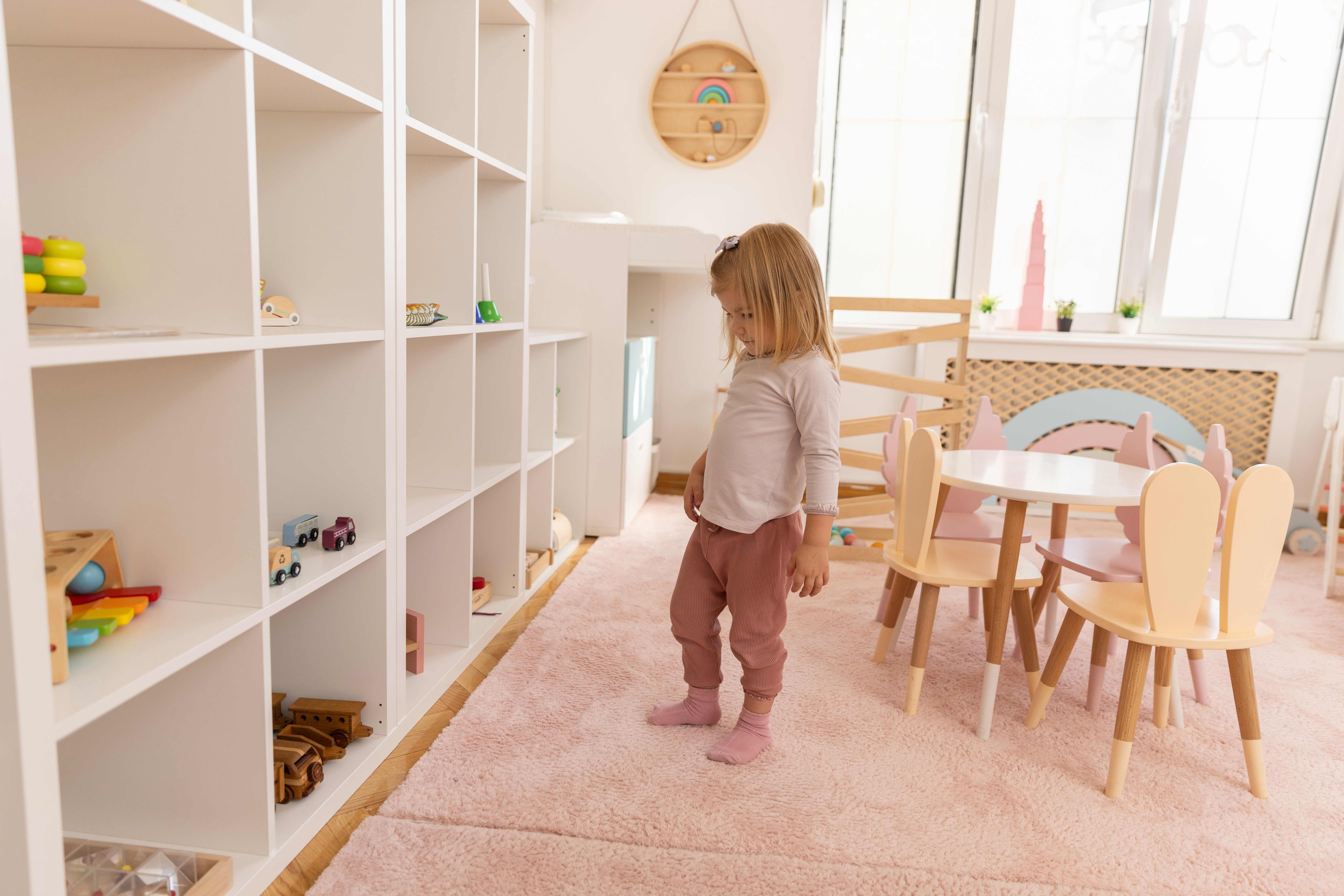
While change brings challenges, it also brings growth. The key is building bridges between the familiar and the new to help your child feel secure during transitions.
Familiar Faces and Routines
Seeing trusted faces during transitions helps your child feel safe when everything else is changing.
At Moranbah Early Learning, we make sure your child sees familiar teachers during their room change. Sometimes, a teacher from their current room spends time in the new room during the first days of transition. This familiar face in a new space helps your child feel connected to both worlds.
We also build cross-room relationships all year long. Teachers from different rooms help each other, cover breaks, and join in activities together. This means your child already knows many of the teachers in their new room before they move.
Before the official move, we arrange visits where your child can meet new teachers while their current teacher is still with them. These gentle introductions build trust before the big change happens.
Keeping daily routines similar across rooms gives your child anchor points during transition. While the details might change, the basic flow of the day stays the same. Meal times, rest times, and outdoor play happen at similar times, giving your child a sense that some things stay the same even when rooms change.
Emerging Minds research shows that these consistent patterns help children feel secure during times of change. Your child can rely on these steady rhythms when other things feel new and different.
Gradual Transition Process
Moving your child to a new room happens step by step, not all at once.
The process starts weeks before the actual move. We talk with you about when and why your child will change rooms. We share details about the new room and answer your questions so you can help prepare your child at home.
We also begin talking with your child about the upcoming change in simple, positive ways. We highlight exciting aspects of the “big kids’ room” while being honest that some things will be different.
Next come short visits to the new room. Your child might spend 30 minutes exploring the new space with their current teacher nearby. These visits gradually get longer as your child becomes more comfortable.
The new teachers also visit your child in their current room. This lets your child meet new adults in a space where they already feel safe and confident. These teachers take time to observe what your child enjoys and how they like to be comforted.
When the official move happens, we often start with shorter days. Your child might attend the new room just for the morning during the first week, gradually building up to full days. This gentle approach prevents overwhelm.
Throughout this process, we watch closely for signs that your child needs more time or support. Every child adjusts at their own pace, and we respect these individual differences.
Supporting Your Child
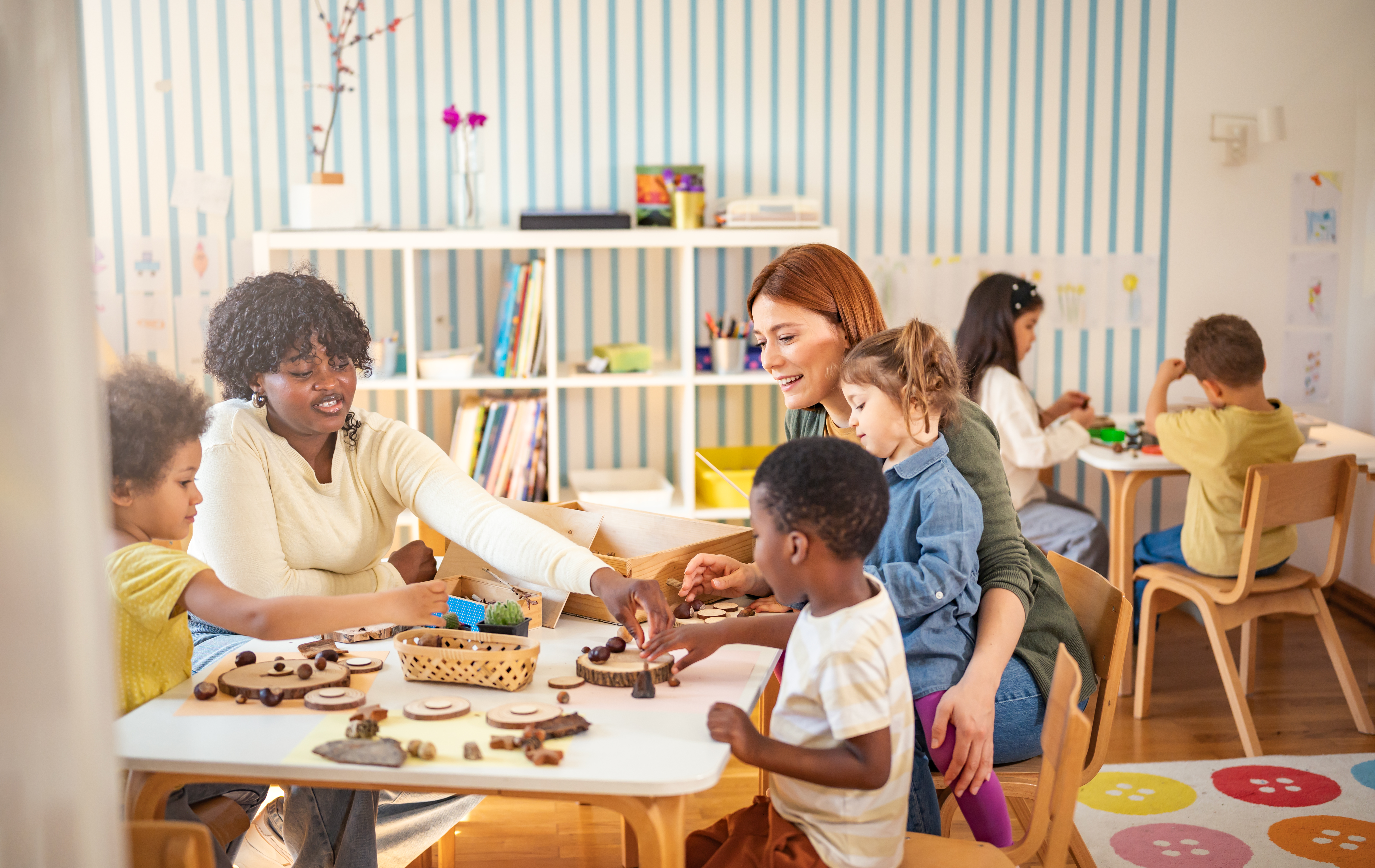
Parents play a crucial role in helping children manage transitions. Your calm confidence signals to your child that this change is positive and manageable.
Tips for Parents
Your words and actions shape how your child views their room transition.
Talk about the change in positive, matter-of-fact terms. Instead of saying “You have to leave your old room,” try “You’re growing so much that soon you’ll be ready for the dolphin room!” This frames the change as a natural part of growing up.
Visit the new room together before your child’s first day. Meet the teachers, explore the toys, and find where your child’s belongings will be kept. This preview makes the space feel less strange on the first day.
Keep your home routines extra steady during the transition period. Consistent meal times, bath times, and bedtimes give your child stability when other parts of their day are changing. This balance of change and sameness helps children cope with new situations.
Maintain a calm, positive attitude during drop-offs, even if your child shows distress. Children look to parents for emotional cues. Your confident goodbye tells your child that you trust they’ll be okay. Keep farewells brief, loving, and consistent.
Pack a comfort item from home, like a small stuffed animal or family photo. These objects create a bridge between the home and the new room. Let your child choose what to bring (within reason) to give them some control in the process.
Ask specific questions about your child’s day in the new room: “Did you play in the sand today?” or “What book did your teacher read at story time?” These questions help your child process and share their new experiences.
Check out this helpful video that shows how transitions work at our centre. Watching it with your child can help them know what to expect.
When Transitions Are Difficult
Some children need extra time and support during room transitions.
Watch for signs that your child is struggling with the change. These might include sleep problems, changes in appetite, new fears, or behaviour that seems like a step backward. Share these observations with your child’s teachers so you can work together on solutions.
Children with sensitive temperaments often need more time to adjust to changes. If your child seems to feel things deeply or reacts strongly to new situations, plan for a longer transition period. Extra visits to the new room before the move can help.
Some children benefit from visual supports during transitions. A simple picture schedule showing the day’s activities can make the new routine more predictable. A photo book with pictures of the new teachers and room can also help your child prepare.
If your family is going through other big changes at the same time (like moving house, a new baby, or parents separating), consider whether the room transition could be delayed. Sometimes spacing out big changes gives children time to adjust to one thing before tackling another.
Remember that most transition difficulties are temporary. With consistent support from both parents and teachers, most children settle into their new rooms within a few weeks. The skills they gain from managing this change—with your help—build resilience for future life transitions.
For more tips on helping your child through changes, visit our advice for parents section on our website.
Room transitions mark important milestones in your child’s early learning story. While these changes bring temporary challenges, they also offer chances for growth, new friendships, and exciting learning. With thoughtful preparation and steady support, your child will soon wave goodbye with a smile again—this time in their new room.