
Building the Future: The Role of Construction Play in Early Childhood Development at Moranbah
Construction play isn’t just about stacking blocks—it shapes how children think, solve problems, and work with others. At Moranbah Early Learning, this hands-on approach builds teamwork skills preschoolers need for school and beyond. You’ll see how collaborative learning early childhood activities turns simple building blocks into powerful tools for growth and connection.
Importance of Construction Play
When children build together, they create more than towers and structures—they form the foundation for lifelong skills. Construction play stands as a cornerstone of early childhood development, creating rich opportunities for growth across all learning areas.
Building Bonds Through Play
Children who build together learn to work as a team naturally and joyfully. During block play, you’ll notice children discussing ideas, sharing materials, and solving problems together—all without formal instruction.
These interactions happen organically as children decide what to build and how to create it together. A simple tower project might involve one child holding blocks steady while another adds pieces, teaching cooperation through hands-on experience.
What makes construction play so powerful for relationship-building? It creates a shared goal that children can only reach by working together. When preschoolers successfully build a block city or bridge, they experience the satisfaction of teamwork firsthand.
This type of play breaks down barriers between children who might not otherwise interact. Watch how quickly new friendships form when children get excited about a joint building project!
Cognitive and Physical Benefits
Construction play fires up young brains in remarkable ways. When children stack blocks or connect pieces, they’re actually exploring physics, geometry, and engineering concepts without realising it.
As they build, children test what works and what doesn’t. Will this tower stand if I add one more block? How can I make this bridge stronger? Each question leads to hands-on problem-solving that builds brain connections.
The physical benefits match the mental ones. Picking up tiny pieces strengthens fine motor skills essential for writing later. Larger building projects help develop gross motor coordination as children stretch, bend, and balance.
Brain research shows that using hands for building activities creates neural pathways that support math and spatial reasoning. That’s why children who engage in regular construction play often show stronger math skills when they start school.
Every time your child builds something, they’re exercising both body and mind in ways that textbooks simply can’t match.
Social and Emotional Growth
Building activities create natural opportunities for children to practice emotional regulation and social skills. When a carefully constructed tower tumbles down, children learn to manage disappointment and try again.
These moments teach resilience in a real-world context. Rather than being told about perseverance, children experience it directly when they rebuild after a collapse. The joy of eventual success becomes all the sweeter after overcoming challenges.
Construction play also teaches turn-taking and sharing in meaningful ways. Children must negotiate who uses which blocks and how their individual ideas fit into the group project. These skills transfer directly to classroom and playground interactions.
Most importantly, successful building experiences help children see themselves as capable problem-solvers. This growing confidence extends beyond the block corner into all areas of learning and life.
The emotional satisfaction of creating something tangible gives children a sense of accomplishment that fuels further exploration and learning.
Exploring Construction Activities
At Moranbah Early Learning, construction zones buzz with creativity and collaboration. Our thoughtfully designed spaces invite children to explore different building materials while developing essential skills.
Block Play at Moranbah
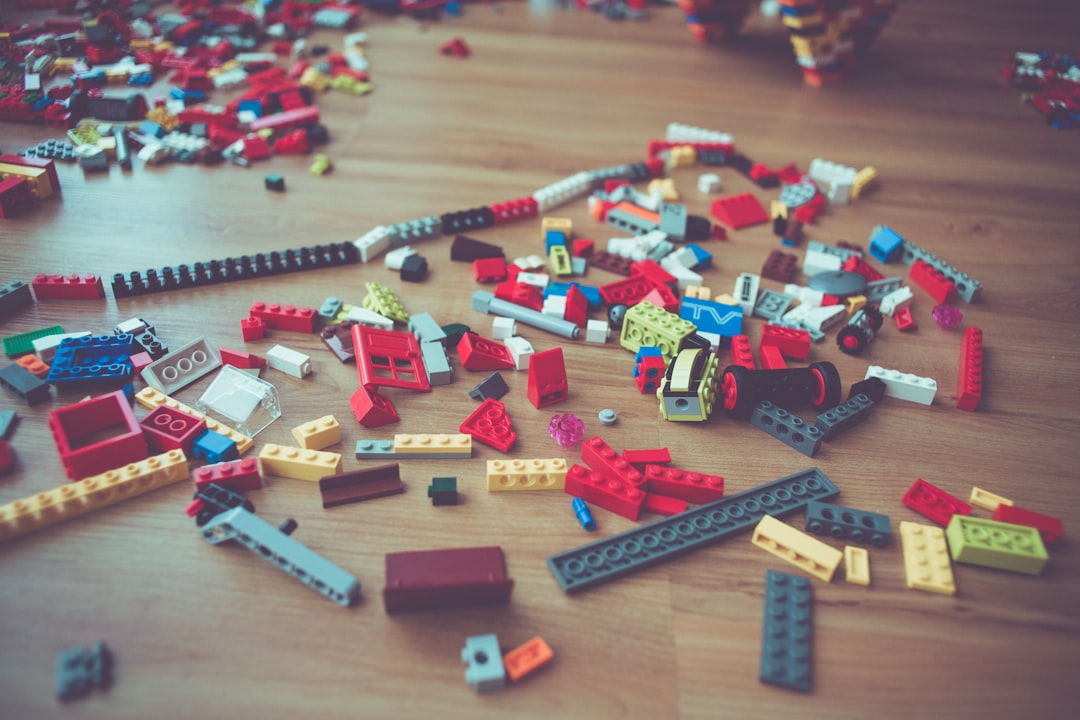
Walk into any room at Moranbah Early Learning, and you’ll spot children deeply engaged with blocks of all shapes and sizes. Our block areas feature clear organisation and plenty of space for both individual and group projects.
Teachers arrange blocks by size and shape on low shelves, making materials accessible while teaching classification skills. This thoughtful setup helps children plan their constructions and find exactly what they need.
Block play at our centre follows children’s interests rather than rigid plans. One day, you might see a group creating a zoo with animal figures placed in block enclosures. The next day, the same blocks might become a hospital or space station.
Our educators extend learning by asking open-ended questions: “How could you make your bridge stronger?” or “What might happen if you tried a different block at the bottom?” These prompts spark deeper thinking without taking over children’s creative process.
We document block play through photos and children’s comments, creating visual records of their growing skills and ideas over time.
Modern and Sustainable Materials
Beyond traditional wooden blocks, our construction areas feature diverse materials that spark different types of thinking and building. Magnetic tiles with bright colours allow children to create three-dimensional structures that wouldn’t be possible with standard blocks.
Recycled materials from our community find new life in our creation station. Empty boxes, cardboard tubes, and clean packaging become building materials that stretch imagination while teaching environmental awareness.
Natural items like stones, sticks, and shells bring organic elements into construction play. Children discover how these materials have different properties from manufactured ones—some stack easily while others require creative solutions.
We rotate materials regularly to keep interest high and introduce new challenges. This approach helps children transfer skills between different types of construction while maintaining enthusiasm.
The variety ensures that every child finds materials that match their interests and abilities, making construction play accessible to everyone.
Large-Scale and Collaborative Projects
Some of the most exciting learning happens when children work together on big building projects that unfold over days or even weeks. These extended activities build planning skills and teach children to work toward long-term goals.
Outdoor spaces at Moranbah feature large hollow blocks, crates, and planks that allow for life-sized constructions. Children can build structures they can actually climb into, creating playhouses, vehicles, or fantasy settings.
Group projects often connect to children’s interests or community themes. After a visit from local construction workers, children might spend weeks creating their own version of a mining site or town buildings.
Teachers support these collaborative efforts by helping children document their plans, resolve conflicts, and celebrate progress. Photos and drawings capture the process, showing children how their ideas evolved from start to finish.
The pride children take in these group accomplishments builds community within our centre while teaching the power of working together toward shared goals.
Supporting Construction Play at Home
The building skills children develop at Moranbah can grow even stronger with simple activities at home. You don’t need fancy materials—just some basic supplies and your encouragement.
Simple Materials for Creative Play
Your home already contains plenty of building materials that cost nothing. Empty food boxes, paper towel tubes, and plastic containers can become an instant construction set with endless possibilities.
Start a collection box for safe, clean items that might otherwise go in the recycling bin. Add some masking tape or child-safe glue, and you’ve created a free building kit that changes with your weekly shopping.
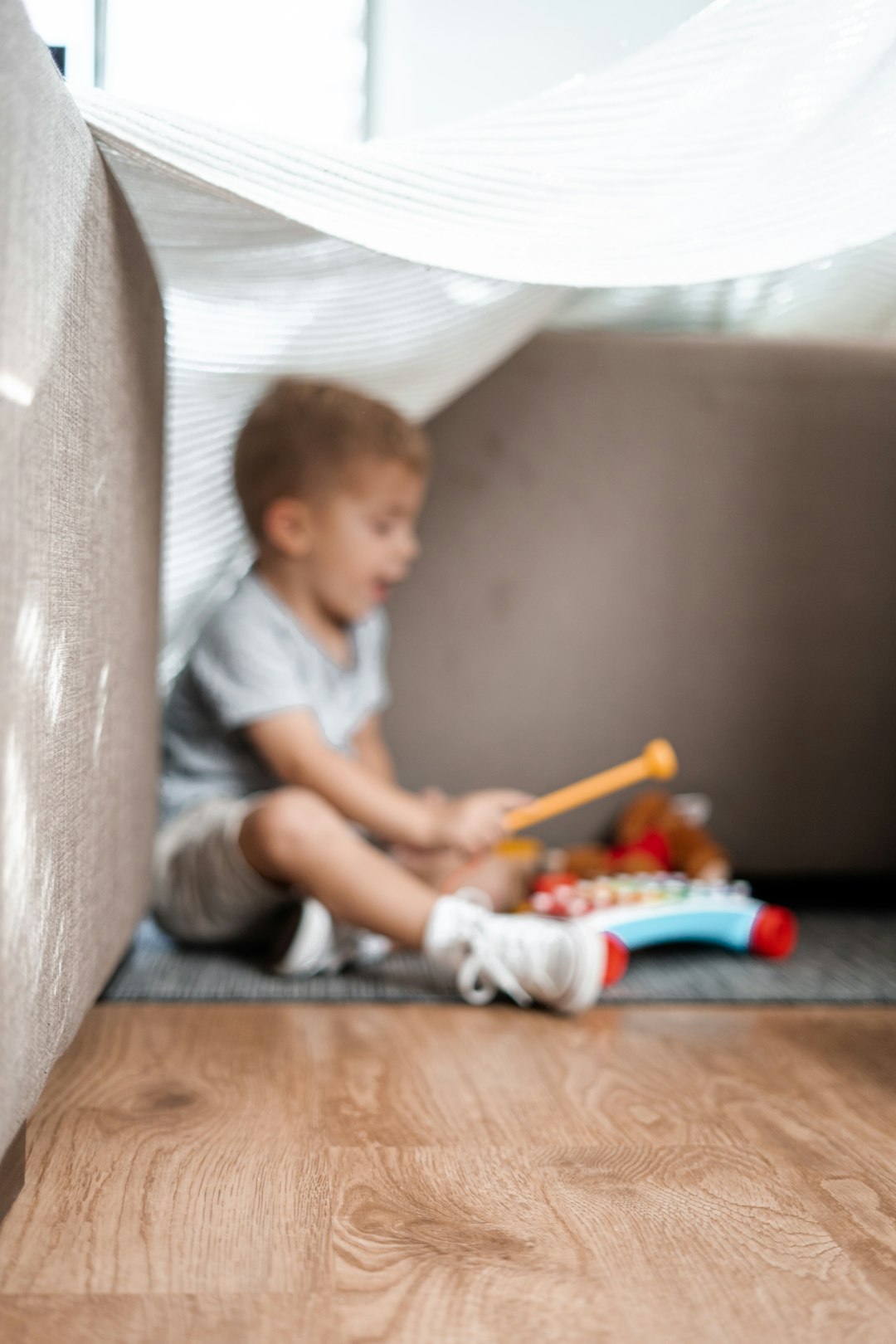
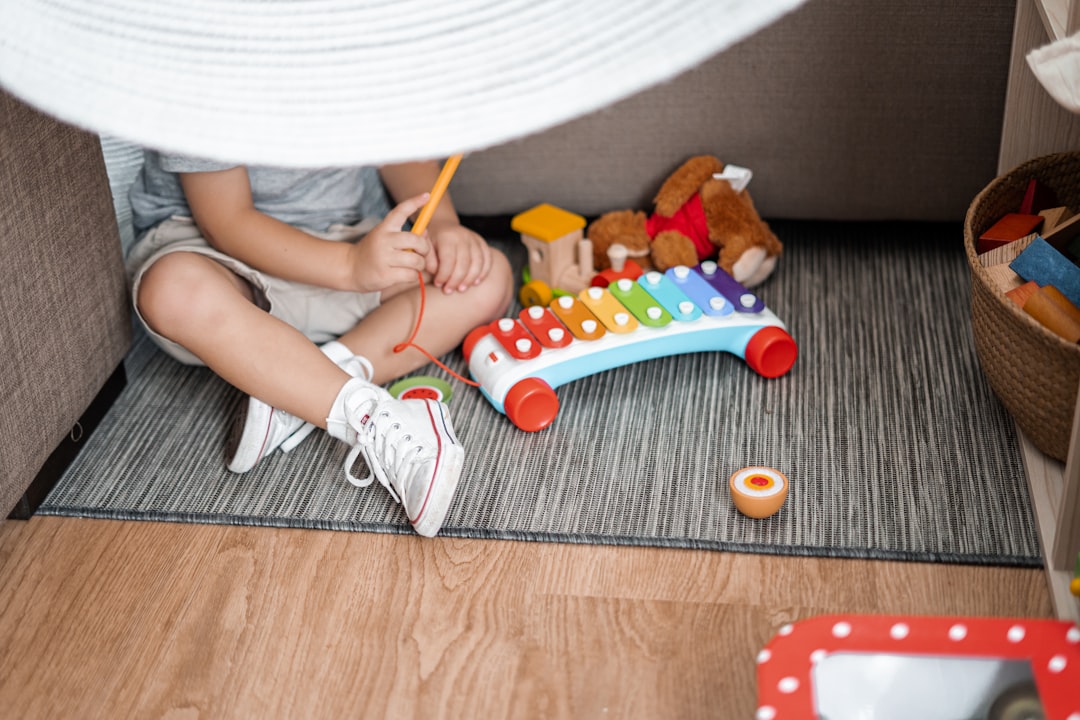
Blankets and pillows make perfect materials for indoor forts. This type of large-scale construction helps children understand concepts like stability and structure while creating cozy spaces for imaginative play.
Even natural items from your yard or neighbourhood walks—sticks, smooth stones, leaves—can become building materials. These collections connect children to nature while providing unique textures and shapes for creative construction.
The best part? These simple materials often spark more creativity than expensive toy sets because they don’t come with predetermined ways to play.
Engaging Building Challenges
Turn building time into an exciting challenge by setting simple, open-ended tasks that stretch your child’s thinking. Ask “Can you build something taller than your knee?” or “How could you make a home for this toy?”
These questions spark problem-solving without dictating exactly what or how to build. The goal is to present just enough challenge to make things interesting without causing frustration.
Try timing challenges for extra excitement: “Let’s see how many different structures you can build in five minutes!” This approach keeps energy high while teaching children to work efficiently.
For older children, introduce constraints that require creative solutions: “Can you build something using only ten blocks?” or “Build a bridge using materials that aren’t blocks.”
Remember to focus on the process rather than the result. The thinking, experimenting, and problem-solving matter more than how the final structure looks.
Family Bonding Through Projects
Building together creates meaningful family connections while supporting your child’s development. Set aside time for family construction projects where everyone contributes ideas and efforts.
Weekend building sessions might include creating a cardboard city that grows over several weeks, with each family member adding new structures. These ongoing projects teach children about planning and improvement over time.
Take photos of your family creations to create a digital or printed book of “Our Building Adventures.” This documentation helps children see their progress and remember the joy of creating together.
Building projects offer perfect opportunities for natural conversations about concepts like balance, symmetry, and design. These talks build vocabulary and thinking skills without feeling like lessons.
The memories you create during these shared building times often become cherished family stories, strengthening bonds while teaching valuable skills.
The value of construction play extends far beyond childhood. The teamwork, problem-solving, and creativity children develop through building activities prepare them for success in school and beyond. By supporting construction play both at Moranbah Early Learning and at home, you help lay the foundation for lifelong learning and collaboration skills.