Sun Safety for Children: Essential Tips for a Safe and Fun Summer in Moranbah
Summer in Moranbah means endless days of sun, sand, and outdoor fun, but it also brings hidden risks that can catch parents off guard. Many think temperature alone signals when to protect their kids from the sun, yet UV radiation is the real threat to their skin and health. This guide on sun safety for children will help you spot the dangers and keep your little ones safe while they enjoy all the joys of summer.
Sun Safety Strategies for Kids

Let’s start with the most basic summer threat – the sun. While sunshine makes summer fun possible, it also poses serious risks to children’s delicate skin that can last a lifetime.
Understanding UV Radiation
UV rays damage skin even on cloudy days when you might not feel the heat. The UV index measures this invisible radiation, not temperature, which is why kids can get sunburned even when it’s not hot outside.
Did you know that just one bad sunburn in childhood can double a person’s risk of skin cancer later in life? Children’s skin is thinner and more sensitive than adult skin, making it extra vulnerable to damage.
The sun gives off three types of UV rays – UVA, UVB, and UVC. UVA rays cause aging and wrinkles, while UVB rays cause sunburn. Both types can lead to skin cancer. Check the daily UV index for Moranbah – when it’s 3 or higher (which is most days in Queensland), sun protection is a must.
You can find the UV index on most weather apps or the Bureau of Meteorology website. This simple check each morning can guide your sun safety plan for the day.
The Five S’s of Sun Safety
The best sun protection plan uses multiple methods together. Remember the five S’s: Slip, Slop, Slap, Seek, and Slide.
Slip on sun-protective clothing that covers as much skin as possible. Look for garments with UPF (Ultraviolet Protection Factor) ratings of 30+ or higher. These special fabrics block UV rays from reaching your child’s skin. Rash guards or swim shirts are great for water play as they stay protective when wet.
Slop on SPF 30+ broad-spectrum, water-resistant sunscreen 20 minutes before going outside. Apply it to all exposed skin, including ears, noses, and the tops of feet. For most kids, you’ll need about a teaspoon for each arm and leg, and for the face and neck.
Slap on a wide-brimmed hat that shades the face, neck, and ears. Baseball caps don’t protect the ears and neck, so choose bucket hats or legionnaire-style hats with neck flaps. Make wearing hats a non-negotiable habit from an early age.
Seek shade, especially between 10 am and 4 pm when UV rays are strongest. Plan outdoor activities for early morning or late afternoon. Remember that sand, water, and concrete reflect UV rays, so shade alone isn’t enough protection.
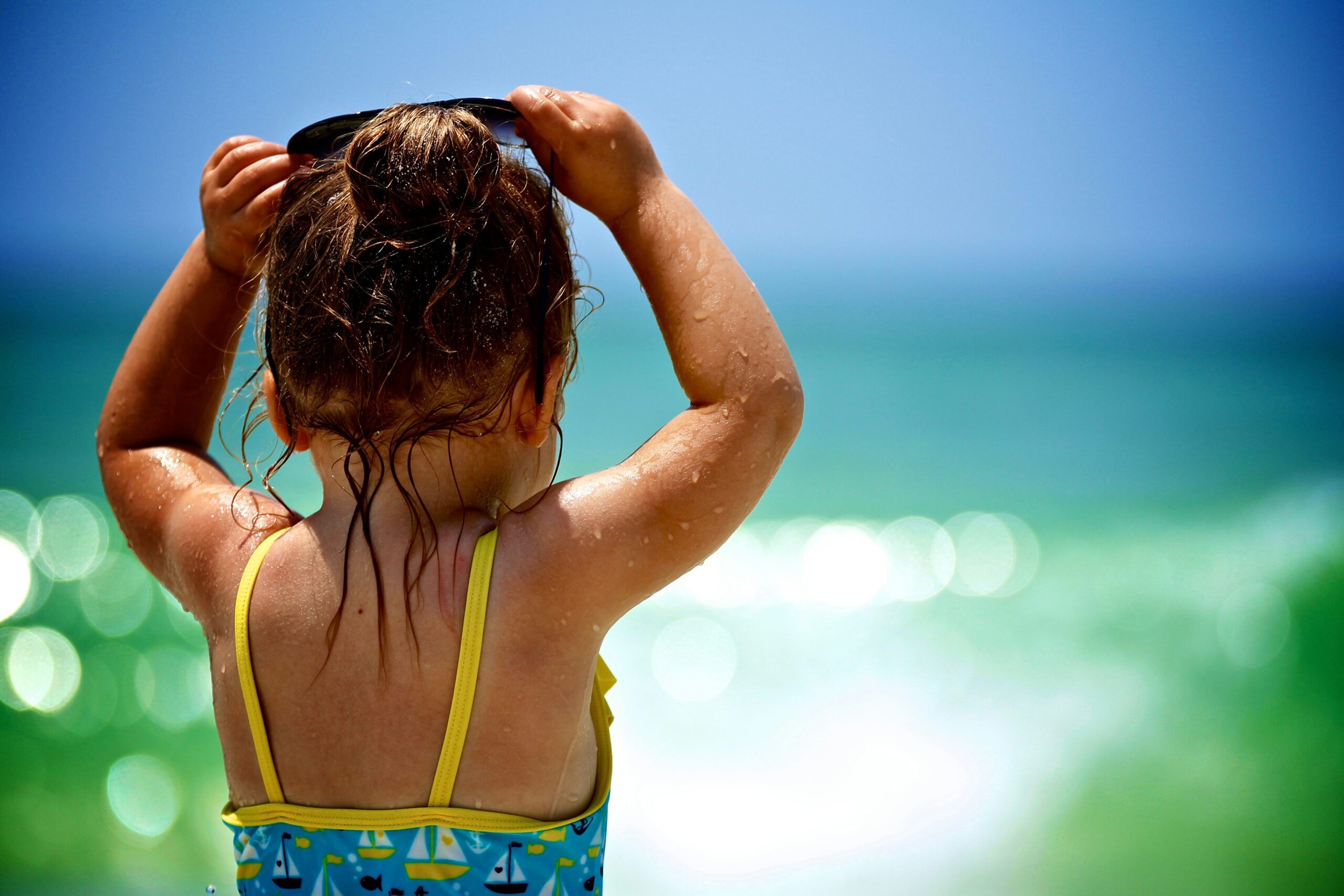
Slide on sunglasses to protect your child’s eyes. Look for wrap-around styles that block 99-100% of UV radiation. Eye damage from sun exposure builds up over time, so starting good habits early matters.
Essential Water Safety Tips
Water activities provide relief from the heat, but they come with their own set of dangers. Knowing how to keep kids safe around water is a must for every parent.
Active Supervision is Key
The most important water safety rule is never taking your eyes off children near water – not even for a minute. Phone calls, text messages, and quick chores can wait when kids are swimming.
Active supervision means being within arm’s reach of young children, watching them constantly, and being ready to act. For children under five, practice “touch supervision” – stay close enough to touch them at all times when they’re in or near water.
Did you know drowning is often silent? Children rarely splash or call for help when in trouble. They can slip underwater quickly and quietly. That’s why waiting for signs of distress isn’t enough – you need to watch before anything happens.
Set up a “water watcher” system at group gatherings. Take turns being the designated adult who watches the water without distractions. Use a special hat or lanyard to show who has this job, and only pass it to another adult when they’re ready to take over the responsibility fully.
Understanding Flotation Devices
Floaties, swim vests, and pool noodles are fun toys – but they’re not safety devices. These items create a false sense of security that can be dangerous.
Proper life jackets should fit snugly and be appropriate for your child’s weight and water activity. Check for a label showing Australian Standards approval. The jacket should not ride up over your child’s chin or ears when you lift them from the shoulders.
Even with a life jacket, children still need close supervision. No flotation device is a substitute for watchful eyes and quick hands. Life jackets can fail, shift position, or be removed by curious little ones.
For home pools, safety barriers save lives. Make sure your pool fence meets Australian standards, with a self-closing, self-latching gate that kids can’t open. Check the fence and gate regularly for damage or gaps. Remember to empty portable pools immediately after use – children can drown in very small amounts of water.
Beating the Heat: Hydration and Cooling
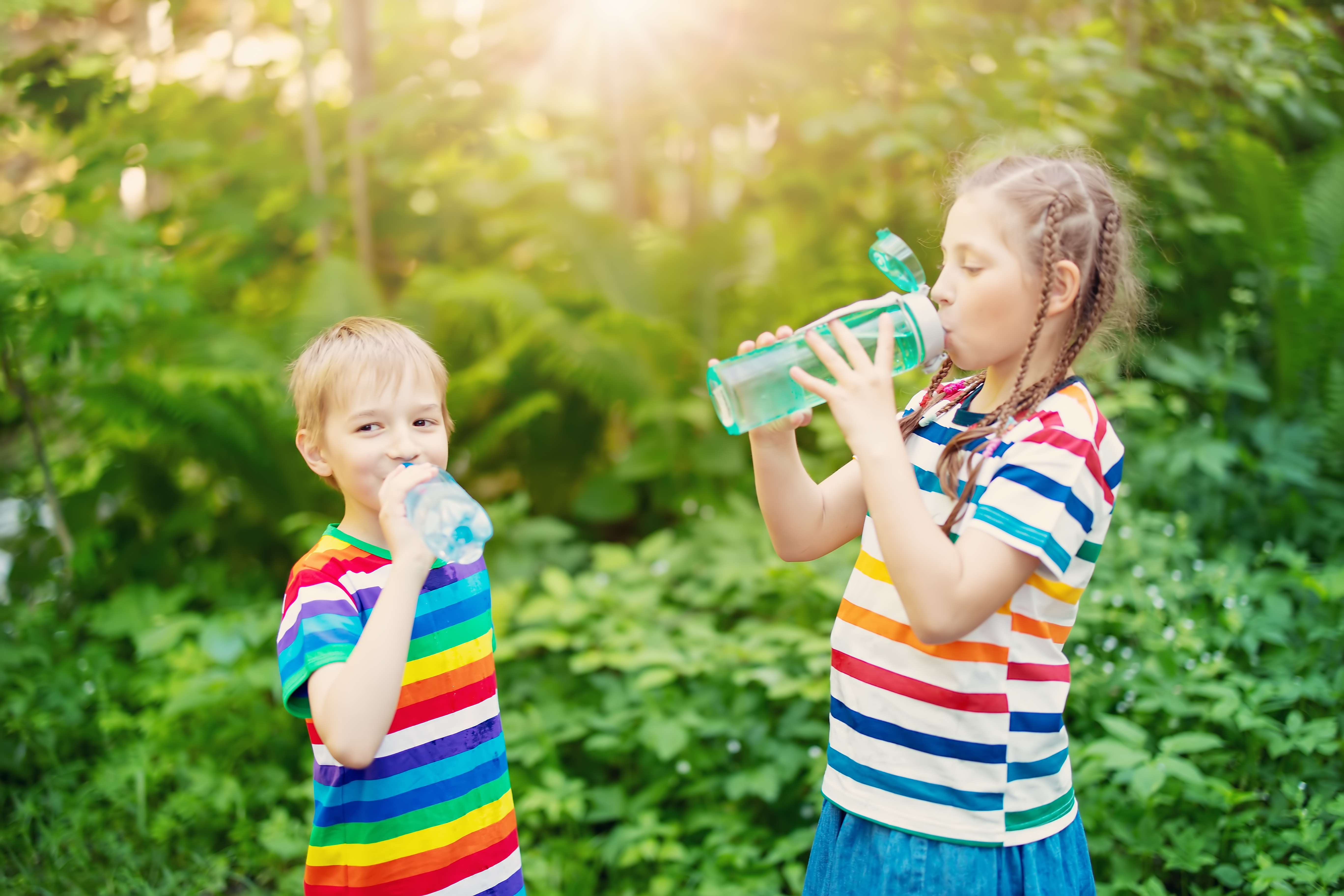
The Moranbah summer heat can overwhelm small bodies quickly. Understanding how to keep kids cool and hydrated is crucial for safe outdoor play.
Why Kids Are Vulnerable to Heat
Children’s bodies don’t regulate temperature as well as adults. Their cooling systems aren’t fully developed, which makes them heat up faster in hot weather.
Kids have a larger surface area compared to their body volume, which means they absorb heat more quickly from their surroundings. They also produce more heat during physical activity but sweat less than adults, making it harder to cool down naturally.
Young children often don’t recognise when they’re getting too hot. They get caught up in play and won’t stop to rest, drink water, or move to shade unless prompted by an adult. By the time they say they’re hot or thirsty, they may already be on the way to heat stress.
Babies and toddlers can’t tell you when they’re overheating or thirsty. Watch for flushed cheeks, rapid breathing, and unusual fussiness – these can be early signs of heat stress in little ones.
Creating a Safe Summer at Moranbah Early Learning Centre
At Moranbah Early Learning Centre, we incorporate sun safety and heat management into our daily routines. We:
-
Provide sun protection strategies throughout the day
-
Schedule outdoor play during lower UV periods
-
Ensure all children wear appropriate sun-protective clothing and hats
-
Maintain shaded outdoor play areas
-
Monitor hydration with regular water breaks
-
Adjust activities based on daily temperature and UV levels
We’re proud to provide all meals, sun cream, and nappy wipes to help make your mornings easier, so you can rest assured your child is protected throughout the day.
Your Summer Safety Checklist
As you prepare for the warmer months ahead, remember these key points:
✓ Check the UV index daily and apply sun protection when it reaches 3 or above
✓ Apply SPF50+ broad-spectrum sunscreen 20 minutes before heading outside
✓ Dress children in sun-protective clothing with UPF 50+ ratings
✓ Choose broad-brimmed hats that protect the face, neck, and ears
✓ Provide constant supervision around all water sources
✓ Ensure pool fencing is compliant and gates are secure
✓ Offer water regularly, even before children say they’re thirsty
✓ Schedule outdoor activities during early morning or late afternoon
✓ Know the signs of heat exhaustion and heat stroke
Your Partner in Child Safety
At Moranbah Early Learning Centre, we’re committed to providing the highest quality education and care while ensuring your child’s safety and wellbeing. We recognise that each child is unique and tailor our approach to support their individual needs.
Summer is a wonderful time for exploration, learning, and outdoor play. With proper planning and consistent safety practices, we can ensure our children enjoy all the joys of the season while staying protected from sun, water, and heat-related risks.
Need More Information?
For enrolment enquiries or questions about our summer safety practices, contact us:
Moranbah Early Learning Centre
📍 221-227 Mills Ave, Moranbah QLD 4744
📧 enquiries@moranbahelc.com.au
📞 Enrolments: 07 4855 3130
📱 Enrolled families: 49416600
Helpful Resources:
-
SunSmart Australia – UV levels and sun protection advice
-
Bureau of Meteorology – Weather forecasts and UV alerts
-
Royal Life Saving Australia – Water safety information
-
Cancer Council – Sun protection and skin cancer prevention
-
Kidsafe Australia – Child injury prevention resources
Stay safe, stay sun-smart, and have a wonderful summer!
This blog post provides general safety information and should not replace professional medical advice. Always consult with your doctor or healthcare provider for specific concerns about your child’s health.