
Understanding Your Child’s Learning Style: A Parent’s Guide to Early Education in Queensland
Understanding your child’s learning style is a pivotal step in supporting their educational journey, especially in the dynamic environment of early childhood education in Queensland. At Moranbah Early Learning Centre & OSHC, we recognise the unique learning profiles of each child, ensuring they receive the tailored attention they need to thrive. By appreciating these individual learning styles, parents can play a crucial role in nurturing their child’s natural abilities, helping them build confidence and curiosity. Whether your child is a visual, auditory, kinaesthetic, or tactile learner, understanding their needs can make a significant difference in their development. This guide aims to provide parents with insights into recognising and supporting their child’s learning needs, fostering a positive start to their educational experience. For more information about early childhood education and learning support in Queensland, visit the Queensland Government Early Childhood website.## Understanding Learning Styles
Understanding your child’s learning style is crucial for supporting their educational journey. This section explores different learning styles and how they manifest in early childhood.
Visual Learners in Detail
Visual learners thrive on seeing information presented through images, diagrams, and written text. These children often have a strong ability to visualise concepts and remember details they’ve seen.
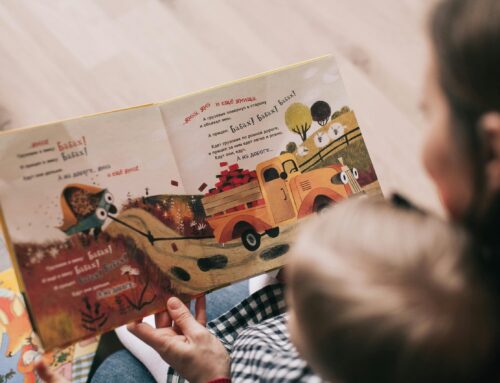
At Moranbah Early Learning Centre & OSHC, we cater to visual learners through various activities. Picture books, illustrated stories, and colourful charts are staples in our learning environment.
Visual learners often excel in activities involving spatial relationships, such as puzzles and block building. They may also show a keen interest in art and drawing, using these media to express their understanding of the world around them.
Auditory Learners Explained
Auditory learners process information best through sound and verbal communication. These children often have a good memory for spoken information and may enjoy talking about their experiences.
In our centre, we support auditory learners through:
-
Storytelling sessions
-
Group discussions
-
Music and rhythm activities
-
Verbal instructions and explanations
Auditory learners might repeat information aloud to help remember it. They often enjoy singing and may have a knack for remembering lyrics or tunes they’ve heard.
Supporting Kinaesthetic Learners
Kinaesthetic learners need to move and use their hands to understand concepts fully. These active learners often prefer to explore through touch, movement, and physical engagement with their environment.
At Moranbah Early Learning Centre & OSHC, we provide ample opportunities for kinaesthetic learning through:
-
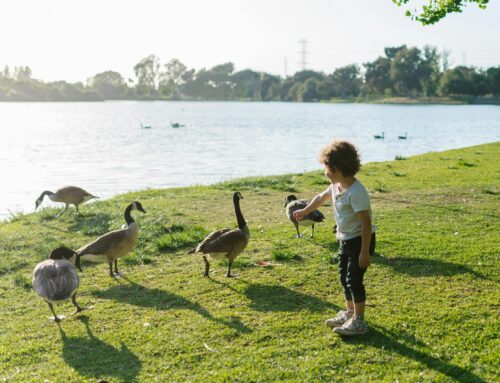
Outdoor play and physical activities
-
Hands-on experiments and discovery sessions
-
Building and construction projects
-
Dance and movement games
Kinaesthetic learners may find it challenging to sit still for long periods. They often learn best when they can actively participate in the learning process, turning abstract concepts into concrete experiences.
Nurturing Early Learning in Queensland
Queensland’s approach to early childhood education focuses on creating inclusive, supportive environments that cater to all learning styles. This section explores the framework and practices that guide early learning in our state.
The Queensland Early Learning Framework
The Queensland Early Learning Framework aligns with the national Early Years Learning Framework (EYLF), which is endorsed by the Australian Children’s Education & Care Quality Authority (ACECQA).
This framework emphasises:
-
Learning through play
-
Developing strong relationships
-
Building a sense of identity and wellbeing
-
Supporting effective communication
-
Encouraging curiosity and problem-solving skills
Educators at Moranbah Early Learning Centre & OSHC use this framework to guide their practice, ensuring each child receives a well-rounded early education experience.
Creating Inclusive Learning Environments
Creating inclusive learning environments is essential for supporting all children, regardless of their learning style or individual needs. At our centre, we strive to create spaces that are welcoming and accessible to all.
This involves:
-
Providing a variety of learning materials and resources
-
Ensuring physical spaces are accessible and safe for all children
-
Celebrating diversity and cultural differences
-
Adapting activities to suit individual needs and abilities
By creating inclusive environments, we help all children feel valued and capable, fostering a positive attitude towards learning from an early age.
Play-Based Learning at Moranbah
At Moranbah Early Learning Centre & OSHC, we firmly believe in the power of play-based learning. This approach allows children to explore, discover, and learn at their own pace.
Play-based learning:
-
Engages multiple senses simultaneously
-
Allows for natural exploration and discovery
-
Accommodates different learning paces
-
Builds social and emotional skills
-
Develops critical thinking and problem-solving abilities
Through carefully planned play experiences, we ensure that children of all learning styles have opportunities to engage with learning in ways that suit them best.
Supporting Child Learning Needs at Home
Parents play a crucial role in supporting their child’s learning journey. This section guides recognising and supporting your child’s learning style at home.
Recognising Learning Preferences
Recognising your child’s learning preferences can help you provide more effective support at home. Here are some signs to look out for:
Visual learners might:
-
Enjoy drawing and looking at pictures
-
Remember faces easily
-
Prefer written instructions
Auditory learners often:
-
Like talking and singing
-
Remember spoken information well
-
Learn best through discussions
Kinaesthetic learners typically:
-
Enjoy physical activities and sports
-
Like to touch and feel objects
-
Learn best through hands-on experiences
By observing how your child naturally approaches learning tasks, you can gain insights into their preferred learning style.
Adapting Home Activities for Learning Styles
Once you’ve identified your child’s learning preferences, you can adapt home activities to suit their style. Here are some suggestions:
For visual learners:
-
Use diagrams and pictures when explaining concepts
-
Encourage drawing and art activities
-
Use colour-coding for organisation
For auditory learners:
-
Read aloud together
-
Use songs and rhymes for learning
-
Encourage storytelling and discussions
For kinaesthetic learners:
-
Incorporate movement into learning activities
-
Provide hands-on materials for exploration
-
Allow for frequent breaks during seated activities
Remember, most children benefit from a mix of learning approaches. The key is to provide a variety of experiences that cater to different learning styles.
Understanding your child’s unique learning style and needs is a journey of discovery that benefits both you and your child. At Moranbah Early Learning Centre & OSHC, our experienced educators are committed to working with you to identify, nurture, and celebrate your child’s individual learning preferences.
We are setting critical foundations for learning and well-being for every child through quality early childhood education and services. By recognising and supporting your child’s natural way of learning, we help them develop confidence, curiosity, and a lifelong love of learning.
If you’d like to learn more about how we support individual learning styles at our centre, or if you have questions about your child’s development, we encourage you to speak with our qualified early childhood educators. Together, we can ensure your child receives the personalised support they need to thrive.
For more information about early childhood education and learning support in Queensland, visit the Queensland Government Early Childhood website or the Australian Children’s Education & Care Quality Authority (ACECQA).