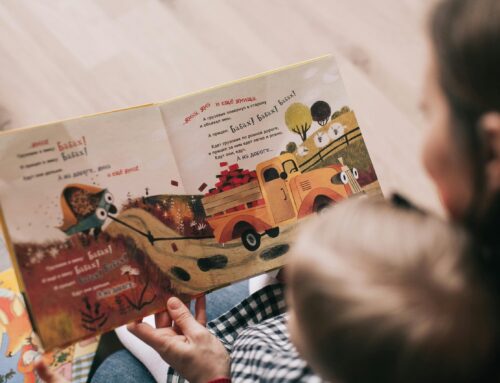

Book Week gives us the perfect opportunity to spotlight imaginative play early learning experiences at Moranbah Early Learning. When children step into a story and become the characters within it, they build empathy, confidence and social skills that last well beyond the dress-up box.
What Imaginative Play Early Learning Involves
Imaginative play early learning covers any experience where children use pretend scenarios to explore ideas, feelings and relationships. This might look like:
– Acting out a favourite story with friends
– Creating an entirely new adventure inspired by a book’s characters
– Using puppets or soft toys to voice different perspectives
– Building imaginative worlds with blocks, fabric and loose parts
According to raisingchildren.net.au, imaginative and pretend play helps children develop emotional understanding, language and problem-solving skills all at once. Find out more at https://raisingchildren.net.au.
How This Builds Empathy
One of the biggest benefits of imaginative play early learning offers is empathy. When a child pretends to be a character facing a problem, they practise:
– Recognising and naming feelings, both their own and others’
– Considering a situation from someone else’s point of view
– Working through conflict within a story, rather than in real life first
– Comforting or supporting a “character” in distress, mirroring real friendship skills
Confidence and Social Skills Through Story
Group imaginative play also asks children to negotiate roles, share ideas and compromise on how a story unfolds. These are genuine social skills, practised in a fun, low-stakes way. Over time, children who regularly experience imaginative play in early learning settings often show greater confidence expressing themselves and connecting with peers.
Our educators support this by offering open-ended props and gentle prompts, then stepping back to let children’s imaginations lead.
We encourage families to ask their child about the characters and adventures they’ve imagined at Moranbah Early Learning Book Week this year. If you’d like to see imaginative play in action, we’d love to welcome you for a visit.
To learn more about the benefits of pretend and imaginative play, visit https://raisingchildren.net.au.